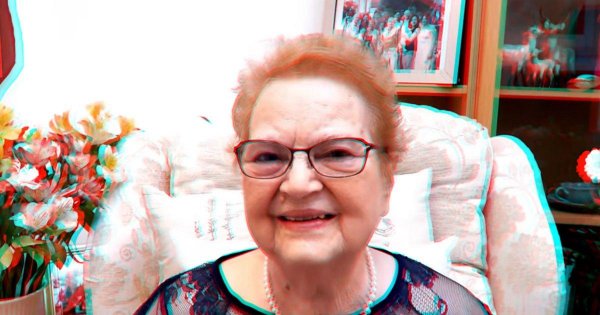
LONDON — Marina Smith, an 87-year-old British woman who died in June, addressed mourners at her own funeral through a holographic conversational video created by the startup StoryFile. The company filmed Smith answering roughly 250 questions with 20 cameras before her death, then used that data to virtually recreate her after she passed, according to The Telegraph.
Smith's son, Stephen, founded the Los Angeles-based StoryFile, which originally set out to preserve the memories of Holocaust survivors. At the funeral, he conversed with the virtual representation of his mother in real time and let attendees ask questions as well.
"Mum answered questions from grieving relatives after they had watched her cremation," Smith told The Telegraph. "The extraordinary thing was that she answered their questions with new details and honesty."
He added that people "feel emboldened when recording their data" and that mourners "might get a freer, truer version of their lost loved one."
Smith is not the only person StoryFile has revived. Earlier this year, a holographic representation of former Screen Actors Guild president Ed Asner answered questions at his own funeral. "Nothing could prepare me for what I was going to witness when I saw it," Matt Asner, the actor's son, told Axios last month. Other attendees were "a little creeped out by it," he said, because it was "like having him in the room."
The funeral appearances reflect a broader push by Silicon Valley to bring back the dead using machine learning. Earlier this year, Amazon demonstrated a feature of its Alexa smart speaker that used a late grandmother's voice to read a bedtime story to a child.
The source article raises unresolved questions: whether Stephen Smith sought closure by recreating his mother at her funeral, and what the technology offers beyond simple audio or video recordings. Those questions remain open.


Editorial Notes